-
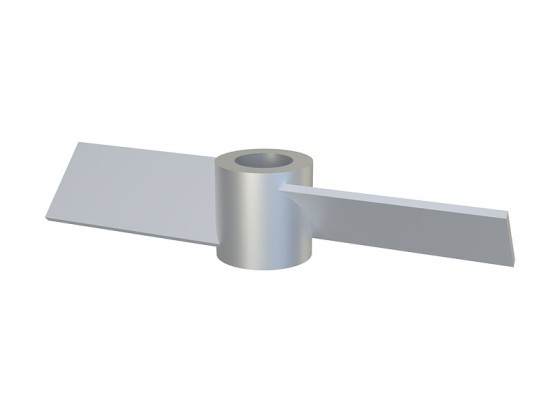
The XJ two-blade inclined paddle features a shaft and flow splitting, with radial and tangential flow splitting. The XJ two-blade inclined paddle is generally used in laminar flow conditions and is suitable for low-viscosity homogeneous
-
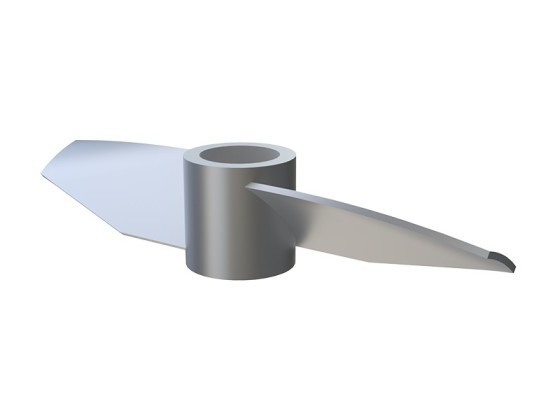
The CAY two-blade propeller is an improved type of two-blade propeller, suitable for mixing, dissolving, solid suspension, heat transfer, reaction, mass transfer, crystallization and other unit operations in low-viscosity, medium and large-sized stirring equipment.
-
Blade angle allows the discharged flow to have axial, radial, and tangential flow distribution simultaneously. It features low shear force and high displacement, suitable for unit operations
-
The ZPS three-blade cone-bottom straight-blade impeller is a type of impeller used at the bottom of a conical container. Because its conical shape matches the container, it avoids the formation of dead zones at the bottom and is generally used in combination with other impellers.
-
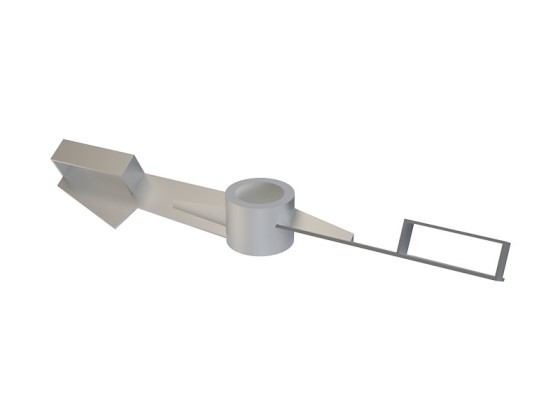
The GJ variable cross-section composite blade is an axial flow type blade. The blade tip has a closed composite small blade in the radial direction. At high speed, the blade tip can generate intersecting vertical flow
-
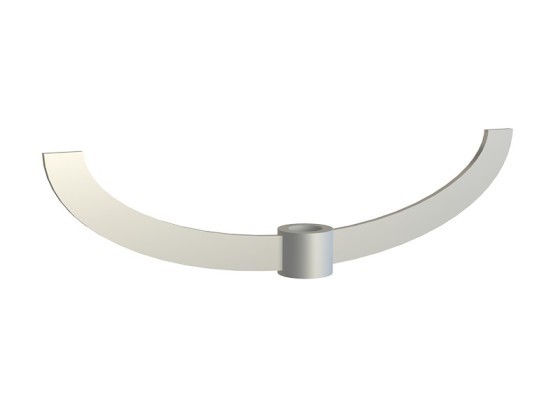
The UJ anchor impeller is suitable for use in oval containers. Its curvature matches the shape of the container bottom, promoting the flow of bottom materials and preventing sedimentation.
-
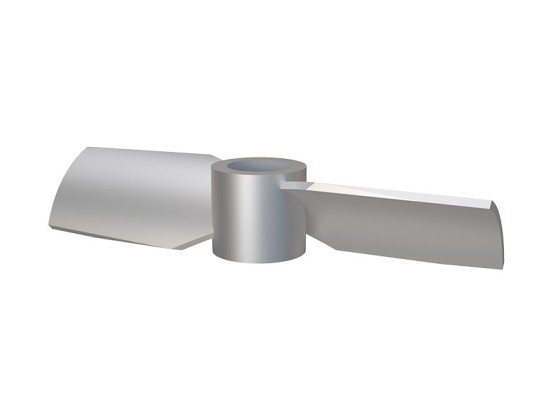
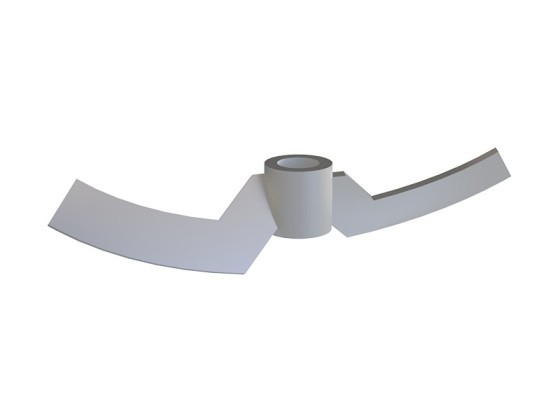
The QJ double-arc blade impeller is used for stirring in dish-shaped or elliptical containers. The concave shape in the upper middle part is suitable for the installation of bottom bearings or upward-expanding discharge valves, which can partially eliminate bottom vortices.
-
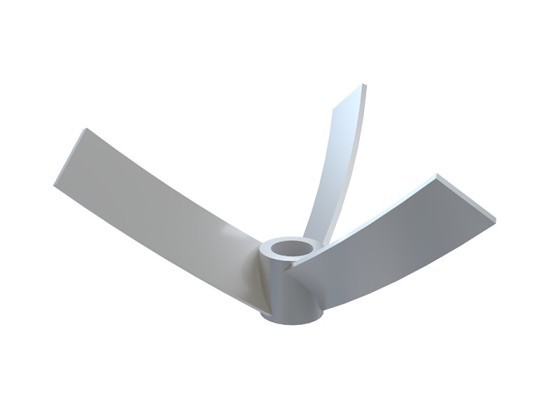
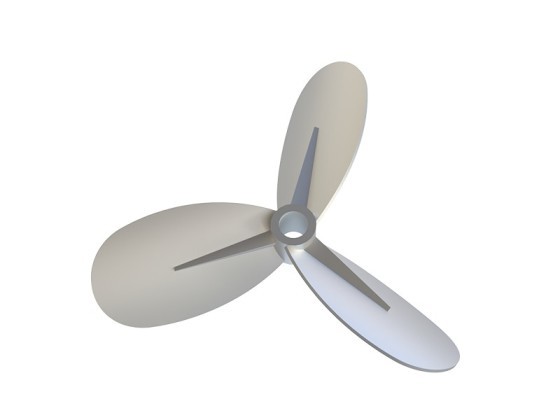
The TX/TXW three-blade axial flow impeller is a pure axial flow impeller with a high circulation rate and low shear force. The three-blade TXW impeller with a stabilizing tube can act as a self-correcting system at high speeds due to fluid resistance.